Devlog #3: From Vibe Coder to Vibe Engineer
Claude Code rewrote my setup four times in six months. The durable skill is judgment: knowing the system well enough that platform changes don't erase your delivery bar.
In devlog 1, the multi-agent setup collapsed under its own weight. In devlog 2, I consolidated from 60+ agents down to 4. This is what happened next.
The tools change faster than you can learn them. My .claude/ directory (the configuration files that control how Claude Code behaves) has been rewritten 4 times in 6 months. The platform changed underneath me each time.
This is for people who want to know what's actually happening under the hood.
The Kelsey Hightower Test
Kelsey Hightower became a distinguished engineer at Google by doing something unfashionable: taking the time to see through the hype, get his hands dirty, and learn what a technology is underneath. His Kubernetes the Hard Way makes you build a cluster by hand, no installer, so you understand every part.
He has this approach whenever new technology drops. Three questions:
1. What is it? 2. What problem does it solve? 3. How is it different from what's currently out there?
If you can't answer those questions about your coding tool of choice (Plan Mode, Skills API, whatever), spend more time learning. Not learning the builds. Learning the system.
Mechanical engineers understand material properties, not just CAD software. Electrical engineers learn circuit theory before they trust the simulator. The same bar holds here: know how the model works before you copy anyone's prompts.
Vibe coding asks you to understand MORE. How does Explore mode spawn cheap Haiku subagents? What triggers auto-compaction? When does the skill system decide to load context vs skip it?
That's the gap between a vibe coder and a vibe engineer.
The Hypothesis
I've been taking the Kelsey test to the extreme for the past 100 days.
Testing every coding CLI. Every framework. Every orchestrator. Building three of my own (now on v4, which became the agentops marketplace I link below). Logging everything. "This worked today," and then when it stops working, I can analyze the data, the assumptions, the knowledge I had at that time.
The Knowledge Flywheel from devlog 1? This is the other side of it. The markdown artifacts the AI generates are half the loop; the knowledge inside of me is the other half. I've learned more about software design in the past 100 days than in years before, just by trying to operationalize AI agents.
This is the hypothesis I've been operating under:
What if everything we do interfaces through natural language to an agent that orchestrates our lives and knowledge work?
I've been acting as if that's true. There's value in taking a hypothesis and pushing it to the limit. You learn things you wouldn't otherwise.
Maybe the "everything through agents" hypothesis breaks down somewhere. Maybe some tasks will always need direct human execution. Until I find that boundary, I'm going to keep pushing. And the knowledge I gain along the way transfers regardless.
Don't Blindly Follow Acronyms
Every month there's a new viral methodology. GSD. TDD. SPECDD. Some framework someone on Twitter swears by.
(Looking at you, Ralph. You know who you are.)
Copy the acronym, miss the reasoning, and wonder why it doesn't work. Learning the weaknesses IS the skill. Developing intuition for:
- When the model is confabulating vs reasoning
- When context is degrading vs holding
- When to push through vs start fresh
- WHY a feature exists, not just that it exists
That intuition doesn't come from reading docs. It comes from watching things fail. A lot. And then asking "why did that fail?" instead of just retrying.
Gene Kim and Steve Yegge say it in the Vibe Coding book:
"You need at least one year of working with LLMs before you can start to even trust them."
Not trust as in "believe what they say." Trust as in "know when to believe them."
Year one is about learning the failure modes. Year two is about predicting them. Year three, maybe, is about preventing them.
I run this at a production reliability bar now. The failure-prediction muscle still needs reps.
What CC Improved (And What That Means)
Claude Code absorbed the manual practices I built.
| What I Built | What CC Ships Now |
|---|---|
| 40% Rule vigilance | Context warnings, auto-compaction |
| Research-Plan-Implement workflow | Plan Mode enforces research-first |
| Model routing tables | /model menu with presets |
| Progressive disclosure | Skills API three-level loading |
Plan Mode is good. It triggers Explore agents that spawn parallel Haiku subagents to research your codebase simultaneously. Multi-threaded exploration with automatic model routing. That's a real architectural improvement.
Using it: "Plan Mode helps me think through problems."
Understanding it: "Haiku gathers: cheap, fast, parallel exploration across the codebase. Opus gleans: synthesizing the findings, validating the approach, building the Knowledge Flywheel. I can explore 5 directions simultaneously without blowing my context budget. But I need to be specific. Haiku takes instructions literally."
The person who understands it knows when to use Plan Mode (complex multi-file changes), when to skip it (quick fixes), and how to structure their plan file to get good results from the Explore agents.
But Plan Mode still isn't all the way there. You have to hack it. I explicitly tell Explore agents to ignore test/ directories during the gather phase, otherwise they burn tokens reading mocks instead of actual logic. I've built workarounds on top of workarounds, and that's part of the learning.
The tools got better. The judgment requirement didn't disappear. It shifted.
The Judgment Layer
CC absorbed the mechanics (context warnings, model routing, progressive loading). The judgment is still yours.
You still need to know:
- When the model is confabulating (the "tests passing lie")
- When to trust Plan Mode vs when to skip it
- When context is degrading before CC warns you
- When to push through vs start fresh
The 12 failure patterns from the Vibe Coding book? They still happen. CC just made some of them less frequent.
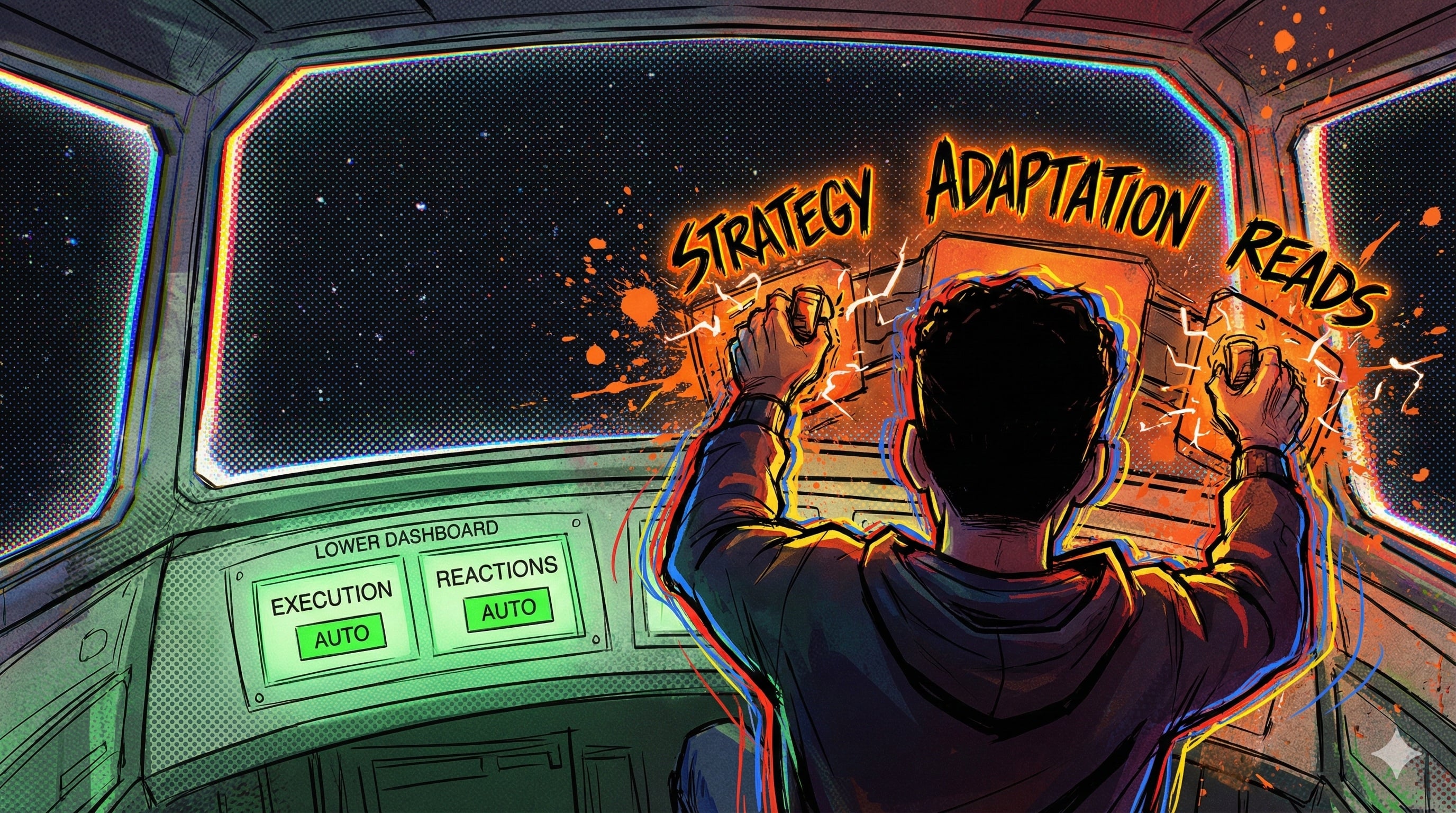
Inner loop failures (seconds to minutes), CC helps with these:
- The "tests passing" lie (AI claims tests pass, never ran them)
- Context amnesia (forgets instructions from 5 minutes ago)
- Instruction drift (gradually deviates from requirements)
Outer loop failures (days to weeks), still on you:
- Bridge torching (API changes break downstream services)
- Deletion disaster (deletes "unused" code that was critical)
- Stewnami (yes, that's a real term, when AI overwrites everything with confident garbage)
The model still doesn't understand impact. It still deletes code without knowing what depends on it. It still breaks APIs without understanding the blast radius.
The mechanics got automated. The architecture decisions didn't.
The Skill Evolution
The timeline of Claude Code's skill system tells the story (a snapshot as of early 2026; the dates below are retrospective, not a live changelog). Each shift required adaptation.
Early 2025: Custom slash commands. Markdown files in .claude/commands/. Invocation was flaky. The model missed triggers constantly, so I built command wrappers that explicitly invoked skills.
Adaptation: Work around unreliable triggers.
Mid 2025: Skills as a separate concept. The key innovation was third-person trigger phrases: "This skill should be used when..." That dramatically improved invocation. But commands and skills coexisted awkwardly. I had thousands of lines of commands, always loaded.
Adaptation: Restructure everything for JIT loading.
January 2026: Unification. Commands merged into skills overnight. My /commands/ directory got archived. Three-level progressive disclosure became native.
Adaptation: Archive old patterns, learn new primitives.
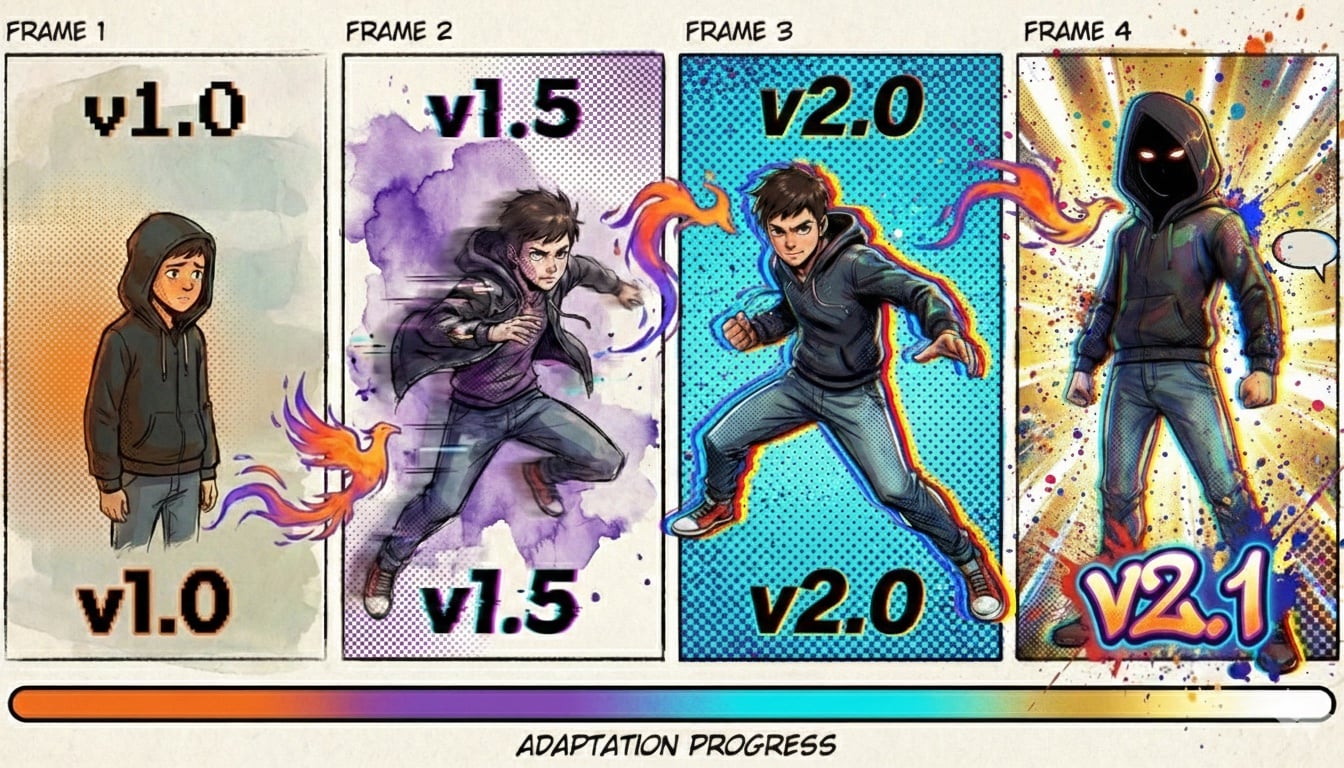
The January 7th release alone broke half my setup. I spent three days rebuilding. By the time I finished, I had a better system than before, but only because I'd already rebuilt it three times and knew what to optimize for.
The Meta Keeps Shifting
That's not a bug. That's the game.
- Early 2025: Raw capability, figure it out yourself
- Late 2025: Power users build survival patterns
- 2026: CC absorbs patterns, raises the floor
- 2027: ???
My actual advice: start now.
Yes, the meta will change tomorrow. That's exactly why you should start today. Waiting for the tools to "stabilize" means memorizing "use Plan Mode for complex tasks" without understanding WHY. When Plan Mode changes (and it will), you'll be lost.
The people putting in reps now are building intuition. Asking the Kelsey questions about every new feature.
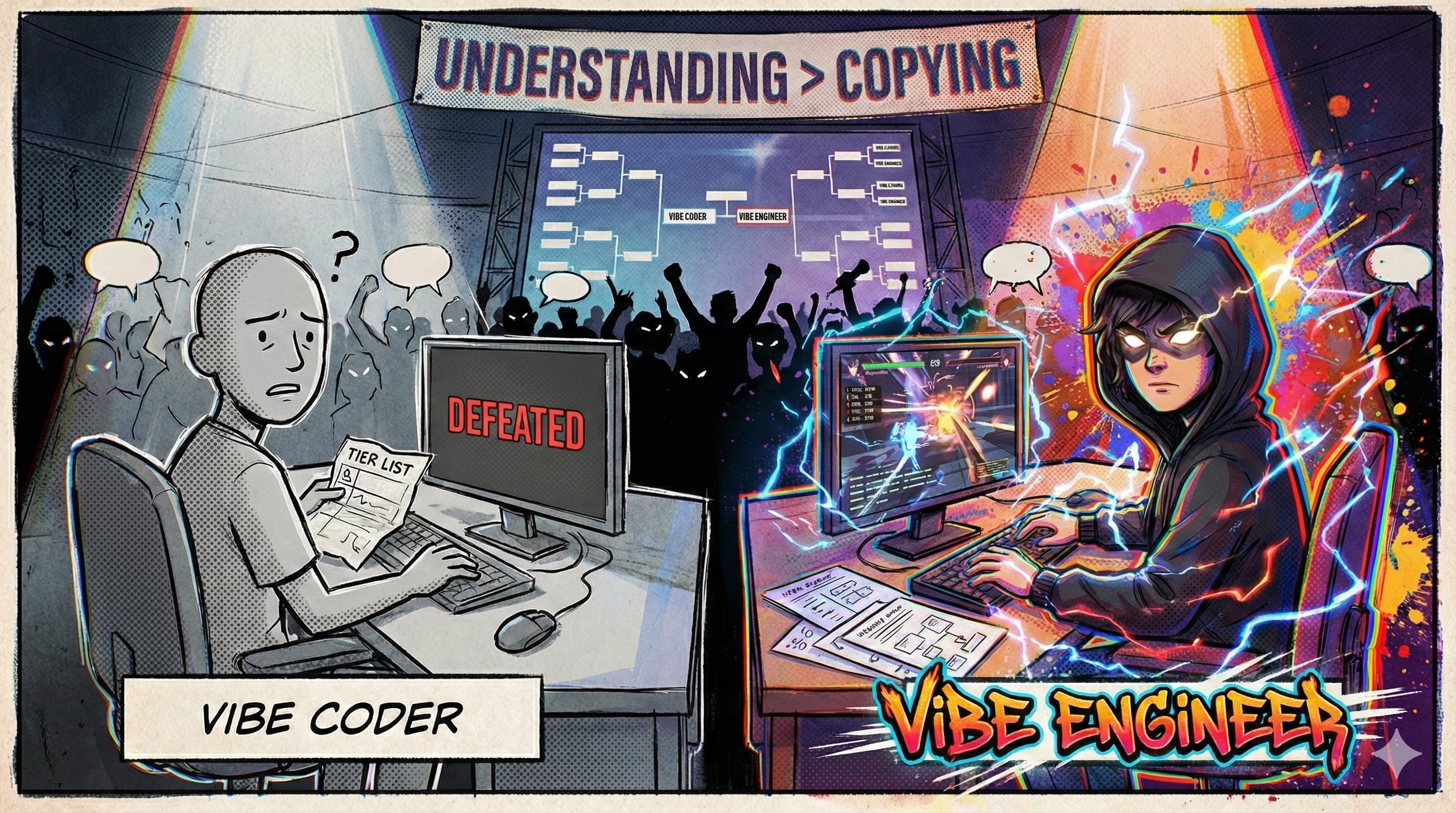
The tools changed. The output stayed consistent. Understanding how the system works is what lets you adapt when the platform changes.
What early adopters actually have:
- Pattern recognition: you've seen enough failures to predict them. When Claude says "I've fixed the issue" with that particular confidence, you know to verify.
- Adaptation speed: you've rebuilt your workflow 4+ times. The January 7th release was a speed bump, not a wall.
- Calibrated trust: you know which tasks need human review and which can run overnight. This isn't gut feel. It's understanding which failure patterns apply to which task types.
- Mental model of the system: you know Claude Code is a REPL wrapping an LLM with tool use. You know subagents get isolated contexts. This lets you reason about new features without waiting for tutorials.
Someone starting today gets better defaults. The floor is higher. But they haven't built the mental model for when those defaults are wrong.
The principles outlast the tools. Context management matters. Isolation beats cleverness. Verification isn't optional. Understanding beats memorization.
| Vibe Coder (me on a bad day) | Vibe Engineer (me on a good day) |
|---|---|
| Prompts "fix this bug" | Prompts "research dependency impact first" |
| Copies the result blindly | Treats AI output like untrusted code: validation gates, not vibes |
| Blames AI when it breaks | Asks "which failure pattern was this?" |
| Follows tutorials | Asks the Kelsey questions |
| Memorizes acronyms | Builds mental models |
| Waits for tools to stabilize | Puts in reps now |
The skills you build learning the current APIs outlast the APIs.
The question that separates the two isn't "Can you use AI?" It's "How do you structure your context for a complex migration?" or "Walk me through how you'd debug a multi-file refactor that went wrong." The answer tells you whether someone is a coder or an engineer.
Try It
Don't just copy my setup from devlog 2. I'm sharing my experiences, trying to find the meta alongside everyone else. This stuff is so fluid that exploring yourself is the best way to cut through the hype.
Ask the Kelsey questions about your current setup:
- What is Plan Mode? (Not "it helps me think." What does it actually do?)
- What problem does it solve? (Why was it built? What was broken before?)
- How is it different? (From just... thinking before coding?)
Check your adaptation debt:
- When did you last restructure your
.claude/directory? - Are you using features from 3 months ago that have better alternatives now?
- What's in your setup that you don't remember adding?
You might be surprised what you find.
Resources that helped me (but explore your own path):
- Vibe Coding: Gene Kim & Steve Yegge on the 1-year threshold
- Claude Code docs: worth re-reading every few weeks
What's Next
I'm building a Claude Code plugin marketplace: boshu2/agentops. Skills that activate on natural language intent. A tiered architecture that scales from solo dev to multi-agent orchestration. The "plan then crank" workflow I keep mentioning, packaged so you can try it yourself.
It's the patterns from this devlog series turned into installable plugins. Will parts of it be obsolete in 3 months? Probably. That's the game. Fork it, break it, rebuild it. That's how you become an engineer.
Things I'm still working through:
- The Agent Skills open standard and what it means for portability
- Running Gas Town workers on open source models
- The multi-session memory problem (still unsolved)
What's one AI failure pattern you've hit recently that the tools didn't catch? I'm collecting examples. Reply or DM me. The best insights I've had came from comparing notes with other people in the trenches.
Devlog #3. Four rewrites. Same velocity. The tools keep changing. Learning to adapt is the skill. Start with devlog 1 if you're new here.